
In 2025, being great at what you do is not enough to succeed as a freelancer.
The truth is, you need to develop more soft skills—the human side of your creativity to navigate your freelance career. The part that doesn’t reside in a software suite or a portfolio is evident in how you listen, speak, react, and lead. Especially now, the time when AI tools are closing the skill gap and the creative world is more fast-paced, remote, and collaborative than ever.
The best part about soft skills is that they don’t require work experience—you build character through everyday interactions. Even high school or college students can develop strong, soft skills that give them an edge when applying for entry-level roles.
You can be a brilliant designer, a poetic copywriter, or a technically flawless editor—but you need to work with people, handle feedback, or communicate your ideas clearly to maximize your talent and potential.
- What are Soft Skills?
- Collaboration is Essential to Most Projects
- Clients Don’t Always Know What They Want
- Make a Lasting Impact by Positively Dealing with Feedback
- Being Creative Means Being a Communicator
- Remote Work Changed the Rules
- Soft Skills Allow You to Use Your Humanity as an Edge
- Clients Don’t Hire Portfolios
- Soft Skills Improve Your Hard Skills
What are Soft Skills?

Soft skills are the interpersonal, emotional, and communication-based abilities that shape how you work with others and manage yourself. They include skills such as empathy, active listening, time management, adaptability, emotional intelligence, and conflict resolution. In short, soft skills are what help you collaborate effectively, solve problems creatively, and stay calm under pressure.
Soft skills are evident when you calmly explain your design choices to a client or when you effectively manage a team project without resorting to micromanagement. Companies may consider soft skills as part of the recruitment’s nice-to-haves— but they’re the invisible framework behind strong leadership, great teamwork, and lasting client relationships.
You can develop hard skills through training, but soft skills emerge from how you navigate daily life—such as how you communicate, solve problems, or collaborate with others. You won’t need to spend anything for it.
Here are some of the reasons why creative professionals like you need soft skills to maximize career potential:
Collaboration is Essential to Most Projects

Have you ever heard of the phrase “Teamwork makes the dream work”?
The best creative work happens when people feel safe to share, question, and build together. That takes more than raw talent—it takes emotional intelligence, patience, and the ability to know when to speak and when to listen.
At some point, we’ve worked with someone amazing on paper but impossible in practice. Soft skills, such as empathy, diplomacy, and openness, transform good ideas into great projects and foster collaboration among coworkers.
Clients Don’t Always Know What They Want

How many times have you received a brief and thought that the client’s intended solution wasn’t going to resolve the key issue?
Being an excellent creative means knowing how to read between the lines and building trust by truly understanding your client’s needs. People want to work with creatives who can communicate both the technical and creative process clearly without sounding condescending or overly complex.
Soft skills rooted in empathy and persuasiveness—such as asking the right questions, staying curious, and being tactful—help you gently guide your clients toward what they truly need.
Make a Lasting Impact by Positively Dealing with Feedback

Navigating criticism without burning bridges is a decisive advantage.
The creative world moves fast, and people receive impressions based on how you respond. It doesn’t meant that you have to do things for free or give discounts. You won’t (and shouldn’t) say yes to everything, but handling feedback with grace and professionalism sets you apart from other creatives.
You might have poured your heart into a design or written the perfect caption, but then someone asks you to change it. It may be devastating for some. But soft skills—such as grace, adaptability, and the ability to step back—help you stay grounded.
Being Creative Means Being a Communicator

Communication is the backbone of visual design, and your abilities can set you apart from your peers and competitors.
You don’t need to be a TED speaker. But at some point, you’ll you’ll have to explain your idea, defend your concept, or inspire someone to say yes to your vision.
Soft skills help your creativity land in the room. And when they land well, people listen.
Remote Work Changed the Rules

We’re no longer sitting beside our teammates, reading body language or bouncing ideas off each other over coffee.
Now, we rely on voice notes, Slack threads, or awkward Zoom calls. And that means how we show up—digitally and emotionally—matters more than ever.
Time management, clarity, emotional awareness, and even knowing when not to send that passive-aggressive email? All soft skills. And it’s all crucial when no one’s physically around to smooth things over.
Soft Skills Allow You to Use Your Humanity as an Edge

AI can generate mockups, captions, and even full campaigns. But it can’t feel heartbreak. Or tell a story that hits you right in the chest.
That’s your job.
Your human experiences, your ability to notice nuance, your way of making someone feel seen through your work—that’s something AI can’t replicate. Ever.
So don’t underestimate your intuition. Or your weird ideas. Or the part of you that still cries during a good ad. Your mind is your edge.
Clients Don’t Hire Portfolios
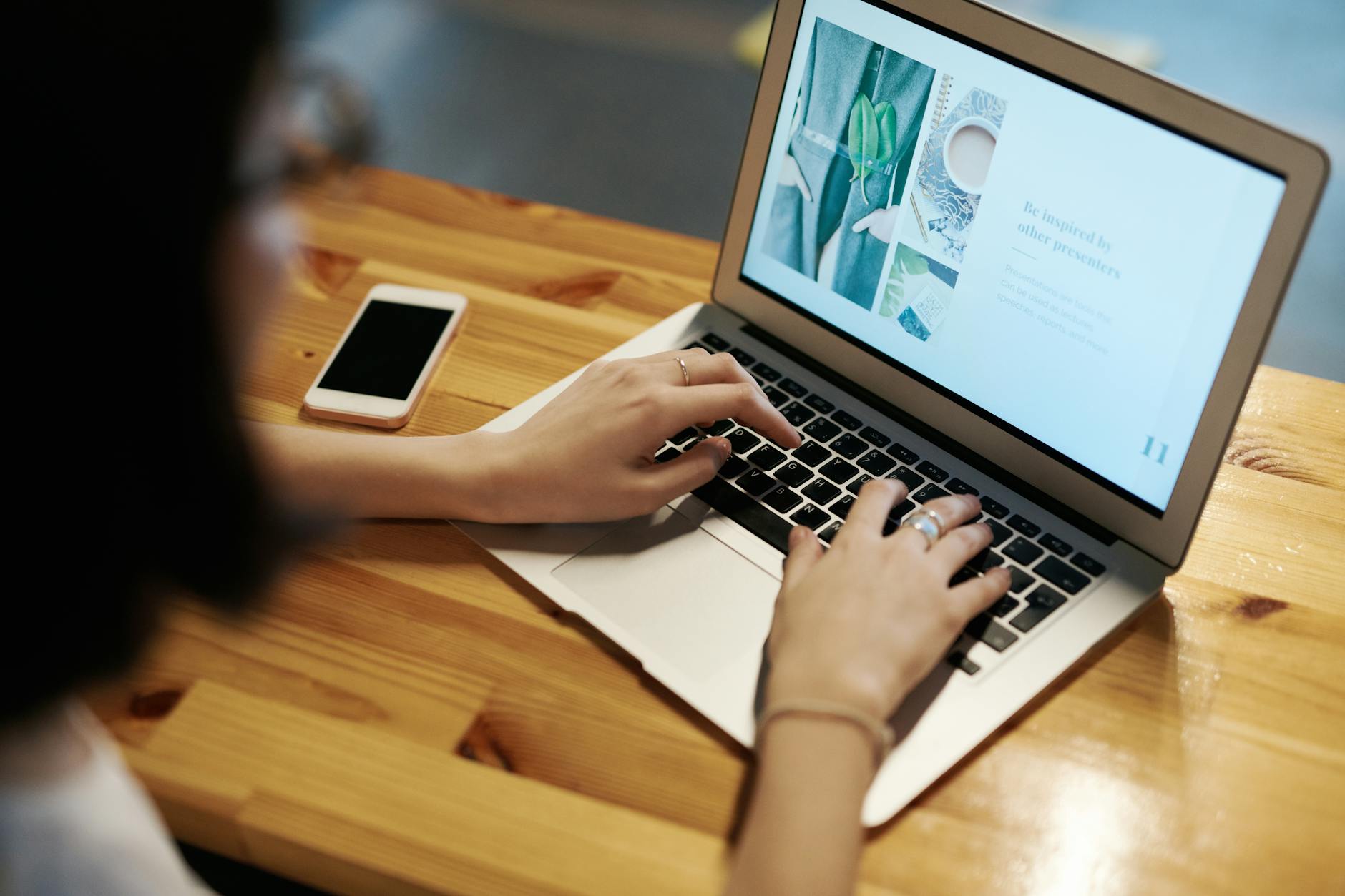
No matter how polished your Behance or LinkedIn feed is, people will always ask: What’s this person like to work with?
The answer often comes down to your soft skills. Are you reliable? Curious? Do you take the initiative? Can you handle tough conversations without going cold or defensive?
The creative industry is small, and your reputation travels faster than your CV. Ensure that your work ethic reflects your personality, not just your skills.
Soft Skills Improve Your Hard Skills

If there’s one thing I’ve learned—from teaching, freelancing, leading teams, and starting over—it’s this:
Soft skills make your hard skills matter.
They’re about getting the job, keeping it, growing with it, and building something you’re you’re proud of—with people who respect you for more than just what you can make. Soft skills go beyond compliance and project management, which you can take to your retirement.
So yes, master your craft. Keep learning the tools. But also—be kind. Be curious. Be coachable. Because at the end of the day, your creativity is only as powerful as your humanity.

 Grae Content Digital Marketing Services
Leave a comment